What is E 336?
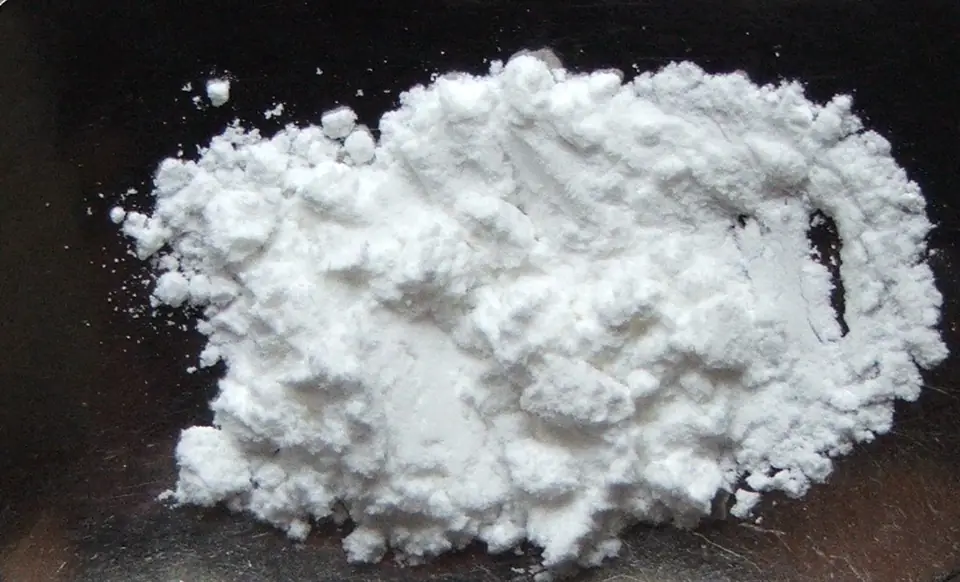
E 336 is the E number of Potassium tartrates. Potassium salts of tartaric acid, known as cream of tartar. They are used mainly in baking powder.
Where is E 336 most commonly used?
Cream of tartar is best known as an ingredient of phosphate-free baking powder. It is also used to stabilise whisked egg whites.
What is E 336 used for?
E 336 belongs to the group "Other additives" and is used as acidity regulator, raising agent.
- Acidity regulator: Acidity regulators alter or control the acidity (pH) of a food.
- Raising agent: Raising agents release gas and so increase the volume of a dough.
Which foods may contain E 336?
According to the European Commission's database, E 336 may be used in 3 food categories and subcategories, each only in specific products and usually with maximum levels. The categories come from these areas:
- Fruit and vegetables
- Sugars, syrups, honey and table-top sweeteners
- Foods for specific groups (infants, young children, special medical purposes)
Is E 336 vegan?
Usually yes: the substance is normally made from plant, mineral or synthetic raw materials or with microorganisms. In individual cases, only the manufacturer or a vegan label can give certainty.
Is E 336 linked to genetic engineering?
No typical link to genetic engineering is known for this substance: it is not usually obtained from plants for which GM varieties exist, nor produced by fermentation.
How does E 336 appear on the label?
In the list of ingredients, the substance appears with its function, followed by the E number or the name, for example "Acidity regulator: E 336" or "Acidity regulator: Potassium tartrates".
Sources
- Regulation (EC) No 1333/2008, consolidated version of 18.08.2026, Annexes I and II, EUR-Lex
- Food Additives Database, European Commission (accessed 19 October 2026)