What is E 120?
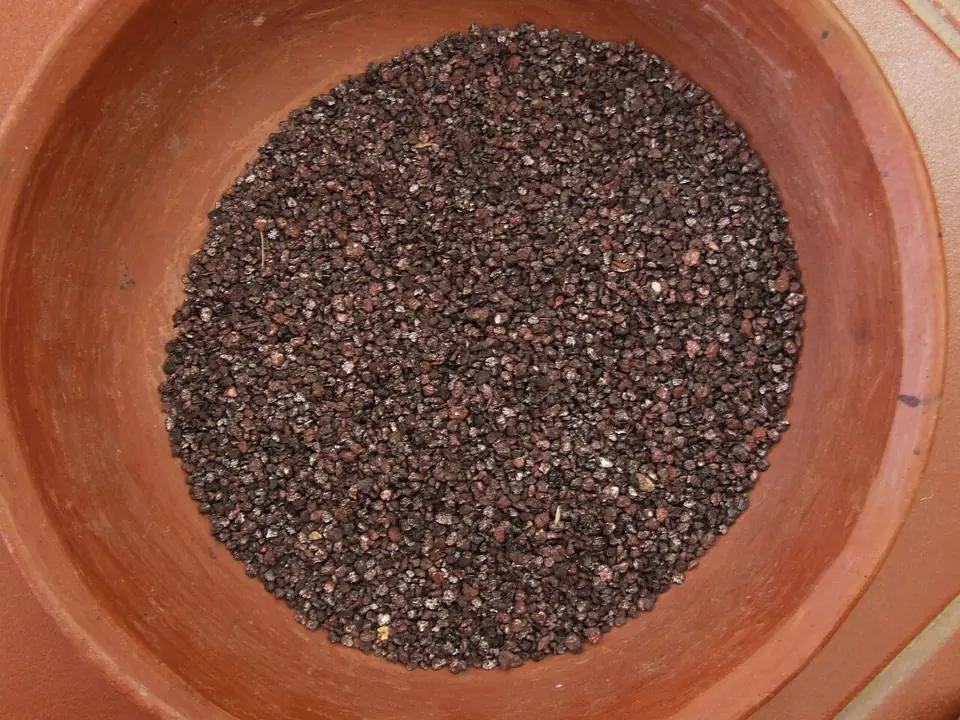
E 120 is the E number of Carminic acid, Carmine. Red colour obtained from dried female cochineal insects, so it is not vegan. It is used in drinks, yoghurts, sweets and meat products.
Where is E 120 most commonly used?
Carmine mainly colours red liqueurs, fruit yoghurts and confectionery. It is also used in some meat products and marinades.
What is E 120 used for?
E 120 belongs to the group "Colours" and is used as colour.
- Colour: Colours add or restore colour in a food.
Which foods may contain E 120?
According to the European Commission's database, E 120 may be used in 48 food categories and subcategories, each only in specific products and usually with maximum levels. The categories come from these areas:
- Dairy products and analogues
- Edible ices
- Fruit and vegetables
- Confectionery
- Cereals and cereal products
- Bakery wares
- Meat
- Fish and fisheries products
- Salts, spices, soups, sauces, salads and protein products
- Foods for specific groups (infants, young children, special medical purposes)
- Beverages
- Ready-to-eat savouries and snacks
- Desserts
- Food supplements
- Processed foods not covered by categories 1 to 17
Is E 120 vegan?
Not vegan: of animal origin.
Is E 120 linked to genetic engineering?
No typical link to genetic engineering is known for this substance: it is not usually obtained from plants for which GM varieties exist, nor produced by fermentation.
How does E 120 appear on the label?
In the list of ingredients, the substance appears with its function, followed by the E number or the name, for example "Colour: E 120" or "Colour: Carminic acid, Carmine".
Sources
- Regulation (EC) No 1333/2008, consolidated version of 18.08.2026, Annexes I and II, EUR-Lex
- Food Additives Database, European Commission (accessed 19 October 2026)